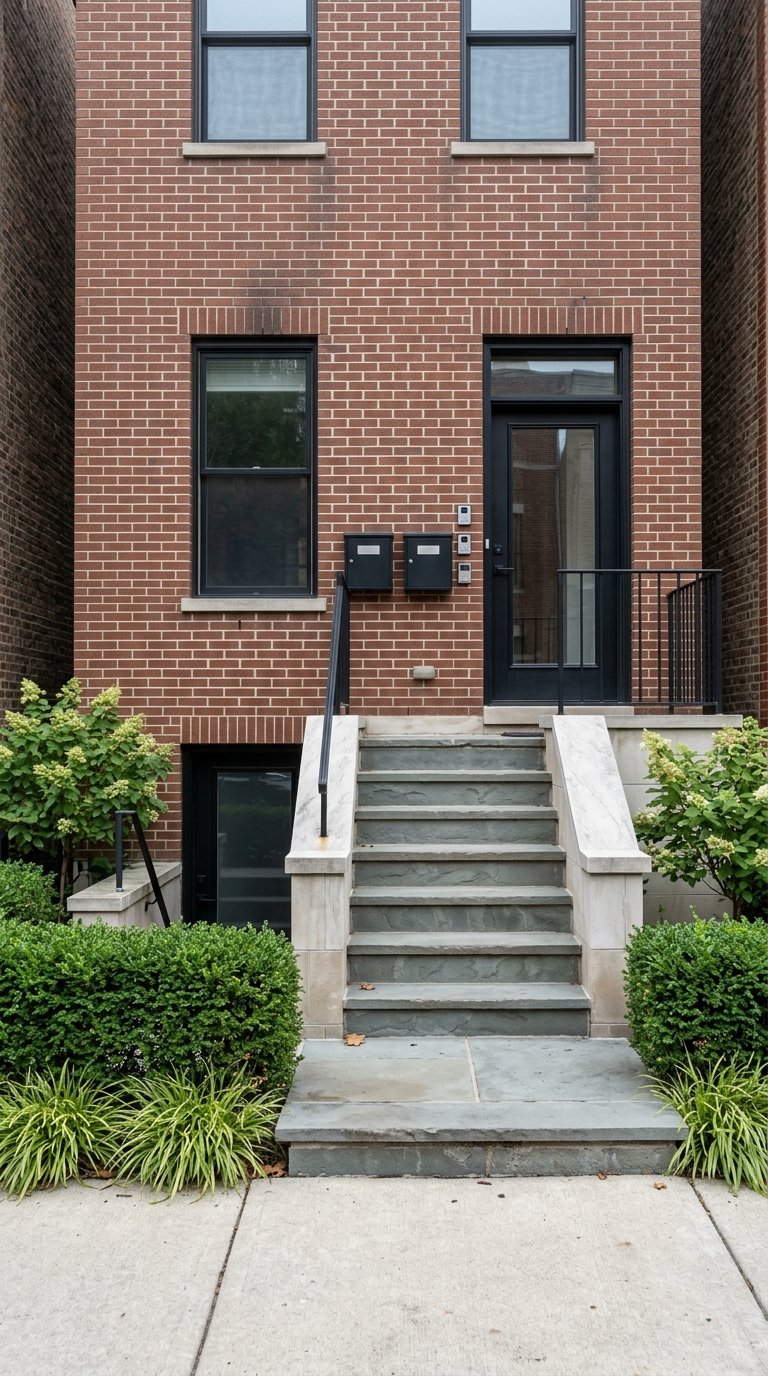
North Riverdale Multi-Family And Townhouse Investing Basics
April 23, 2026
April 23, 2026
Wondering whether a townhouse or small multi-family property in North Riverdale could be your entry point into real estate investing? You are not alone. Many buyers are drawn to the area’s residential feel, commuter convenience, and mix of houses and apartment buildings, but the numbers only make sense when you understand what you are actually buying. This guide walks you through the basics so you can evaluate opportunities with more confidence. Let’s dive in.
North Riverdale is often described as a quiet, residential Bronx neighborhood with tree-lined streets, single-family homes, and larger brick apartment buildings. It is also noted for commuter-friendly access and proximity to Hudson River parkland, which can support both owner-occupant appeal and long-term rental demand, according to Apartments.com’s local guide.
That local character matters if you are thinking about a townhouse, a two-family home, or a small apartment building. In a renter-heavy borough context, properties with legal rental units can offer income potential, especially if the layout, condition, and legal status line up with current market demand.
In New York City, the label on a listing is less important than the legal classification of the building. The NYC Zoning Resolution distinguishes between detached single-family homes, attached townhouses on individual zoning lots, groups of townhouses, and apartment houses.
For many buyers in North Riverdale, the practical options are one- to three-family homes, townhouses, and small apartment buildings. The key point is simple: legal unit count matters more than marketing language.
For tax and building classification purposes, New York City treats townhouses differently from larger residential buildings. The Department of Finance building-class list identifies a townhouse as building class A7, while NYC tax class rules generally place most residential properties with up to three units in class 1 and other primarily residential properties, including many 4-6 unit rental buildings, in class 2, based on the definitions summarized in the NYC Zoning Resolution.
If you are comparing a townhouse to a multi-family property, that distinction can affect financing expectations, taxes, and long-term strategy. It is one reason buyers should review records carefully before assuming a property can be used a certain way.
NYC DOB defines a multiple dwelling as a building with three or more dwelling units occupied by people living independently of one another. DOB also notes that alteration or conversion work on a building with three or more dwelling units generally requires a new or amended certificate of occupancy.
That means you should not assume a basement setup, attic apartment, or reworked floor plan is legal just because it exists today. Before you buy, you want clarity on how many units are lawful and whether the certificate of occupancy matches the current use.
North Riverdale’s recent sales data needs context. In a March 2026 PropertyShark snapshot, the neighborhood’s median sale price was $316,250 across 15 transactions, but the sample was small and heavily influenced by co-op sales, which makes it less useful for pricing townhouses and small multi-family buildings.
Rent data may be more helpful when you are screening income-producing potential. Apartments.com reported April 2026 average asking rents of $2,518 for one-bedroom units, $3,492 for two-bedroom units, and $3,088 for three-bedroom units.
Those numbers are not a guarantee of what any one property will earn. Still, they give you a practical benchmark for asking whether a unit mix can reasonably support the monthly carrying costs.
A good-looking property is not always a good investment. In North Riverdale, rentability usually comes down to legal unit count, bedroom count, layout, condition, and whether the units can realistically compete at neighborhood rent levels.
A clean two-unit or three-unit property with functional layouts and updated finishes may have stronger long-term income potential than a similarly priced building with awkward room flow or unclear legal status. If the deal only works when you assume full occupancy, no repairs, and top-of-market rents, that is usually a sign to slow down.
Before going too far, run a basic income check:
You can also use simple investing formulas as a rough guide:
These are not city rules, but they are useful ways to compare properties and understand whether the non-owner units are doing enough to offset your costs.
If you plan to live in one unit and rent out the others, owner-occupant financing can make a big difference. HUD states that FHA loans are available on 1-4 unit properties and may require as little as 3.5% down.
That can be helpful for first-time buyers or value-minded buyers trying to enter the market with a small multi-family property. Program choice still matters, though, because not every loan option works the same way.
Freddie Mac explains that rental income from non-owner-occupied units in a 2-4 unit primary residence may be counted toward total borrower income. The rent used for underwriting generally comes from signed leases, or from appraised market rent when no lease is in place.
Fannie Mae’s selling guide is also referenced in the research as requiring a 5% minimum borrower contribution from the borrower’s own funds for a two- to four-unit principal residence under the relevant contribution rules. The takeaway is that down payment and qualifying rules can vary significantly depending on the loan product.
One of the biggest mistakes new investors make is focusing only on the purchase price. The IRS lays out a longer list of rental property expenses in Publication 527, including advertising, cleaning and maintenance, depreciation, insurance, legal and professional fees, management fees, mortgage interest, repairs, taxes, and utilities.
If you are owner-occupying part of the property, the IRS says some expenses must be divided between personal and rental use. That includes mortgage interest and real estate taxes for an owner-occupied duplex or similar setup.
Depreciation is easy to overlook because it does not change your monthly cash flow. But IRS Publication 527 explains that residential rental property is generally depreciated under MACRS and that depreciation begins when the property is ready and available for rent.
In practical terms, a property may show a better tax picture than its month-to-month cash flow suggests. That is useful for planning, but it does not replace the need for a solid operating budget.
The right questions early on can save you time, money, and stress later. In North Riverdale, that starts with the lender and attorney.
For your lender, ask:
For your attorney, ask:
Small properties can look straightforward on the surface, but compliance details matter. HPD requires annual registration for 3+ unit buildings and for 1-2 unit private dwellings where neither the owner nor immediate family lives in the property. Rent-stabilized buildings must also be registered with HCR, and the research notes that rent stabilization in NYC generally applies to many buildings with six or more units built between February 1, 1947 and December 31, 1973, along with certain other units under specific rules.
Short-term rental assumptions can also create problems. NYC says entire-unit short-term rentals are only allowed in Class B multiple dwellings approved for transient occupancy, which is not the normal pattern for North Riverdale’s small residential buildings, according to the city’s short-term rental guidance.
DOB also warns that a two-family building that adds an attic, basement, cellar, or attached accessory dwelling unit is generally treated as a three-family building subject to the Multiple Dwelling Law unless the new unit is separated by a fire wall. That is especially important because Bronx Community Board 8 is not in the current DOB subgrade ADU pilot area mentioned in the research.
In plain language, do not assume a lower level can be legalized just because you have heard of that happening elsewhere in the Bronx. Parcel-specific rules matter.
North Riverdale and the broader Riverdale-on-Hudson area include zoning and planning considerations that can shape your renovation options. NYC planning materials describe parts of the area within the Special Natural Area District NA-2, and the Riverdale Historic District is officially mapped nearby.
If you are hoping to expand the building, alter the exterior, or change the footprint, verify the exact lot conditions first. Zoning, landmark status, and special district rules can materially affect what you can do next.
For many buyers, the strongest opportunity in North Riverdale is not chasing a flashy deal. It is finding a legally configured property with a practical layout, realistic rent potential, and financing that supports your long-term plan.
That may mean house hacking a 2-4 unit property, buying a townhouse with future flexibility in mind, or passing on a property that looks cheap but carries legal or renovation risk. The more disciplined your upfront review is, the better your odds of making a sound investment decision.
If you are weighing a townhouse or small multi-family purchase in North Riverdale, local guidance can make the process much clearer. The Advanced Home Team can help you evaluate property type, neighborhood fit, and the practical questions to ask before you move forward.
Stay up to date on the latest real estate trends.

We bring together a mix of integrity, imagination and an inexhaustible work ethic, striving to make each buying and selling experience the best possible. Contact us today to find out how we can be of assistance to you!