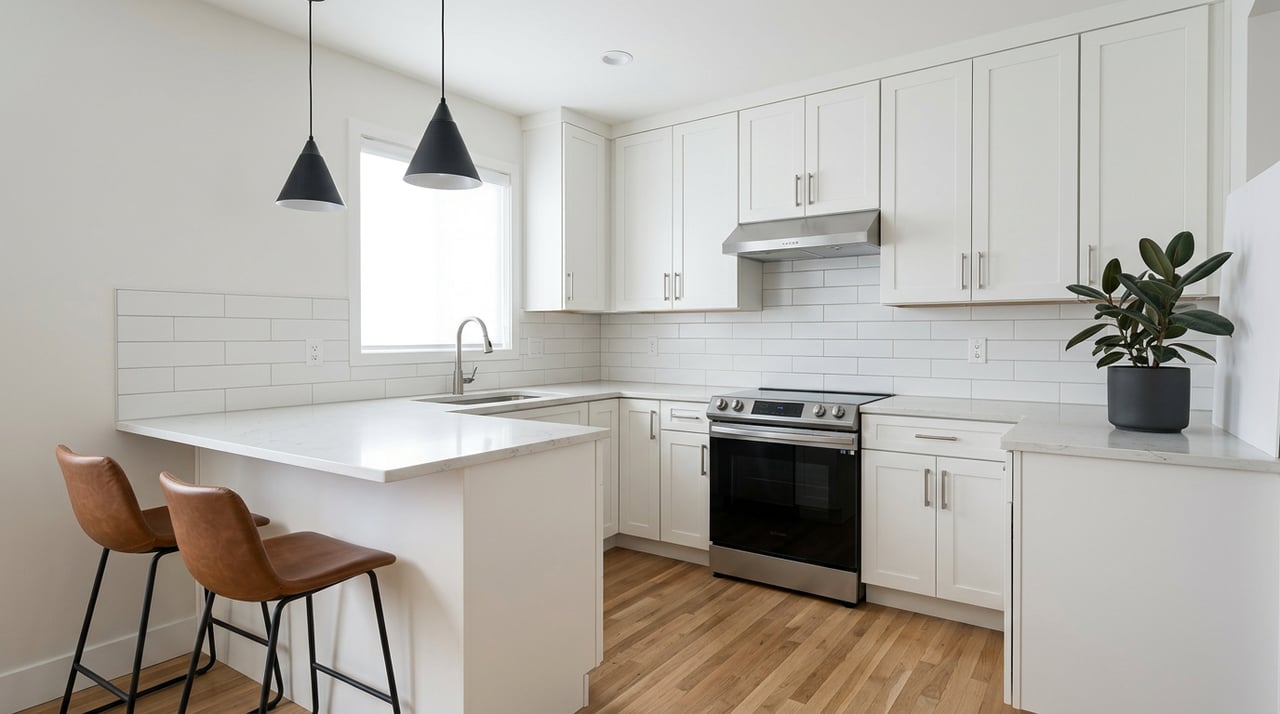
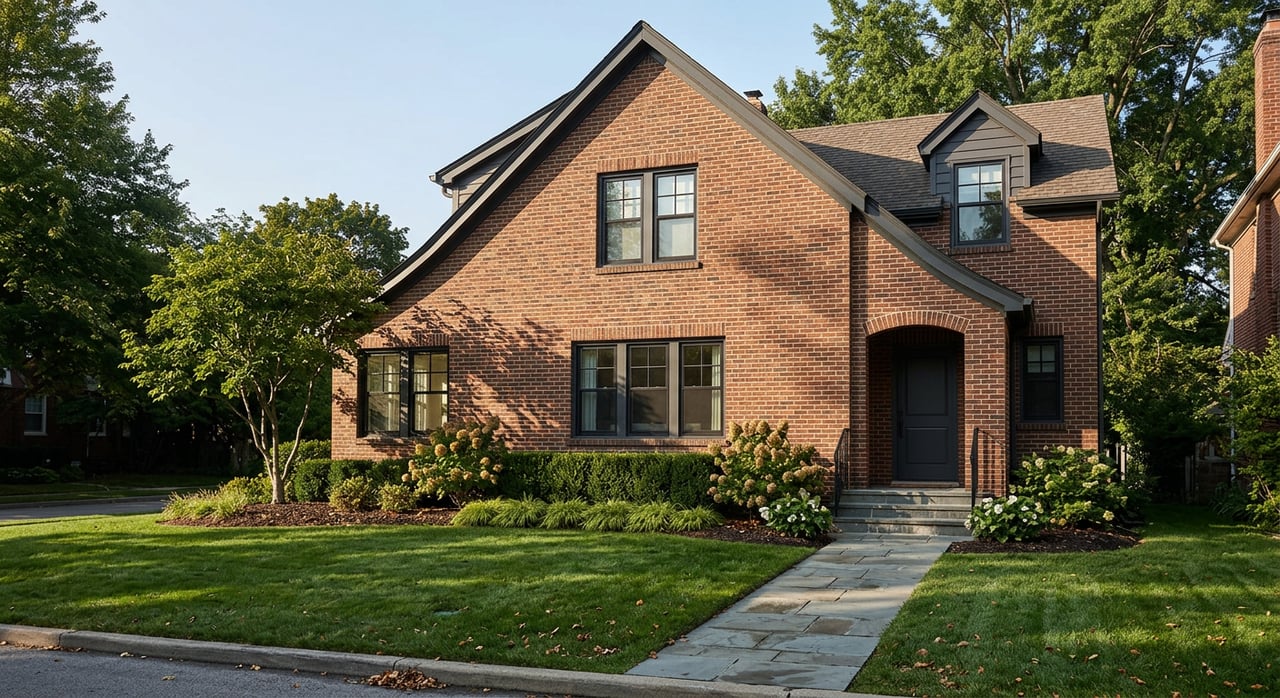
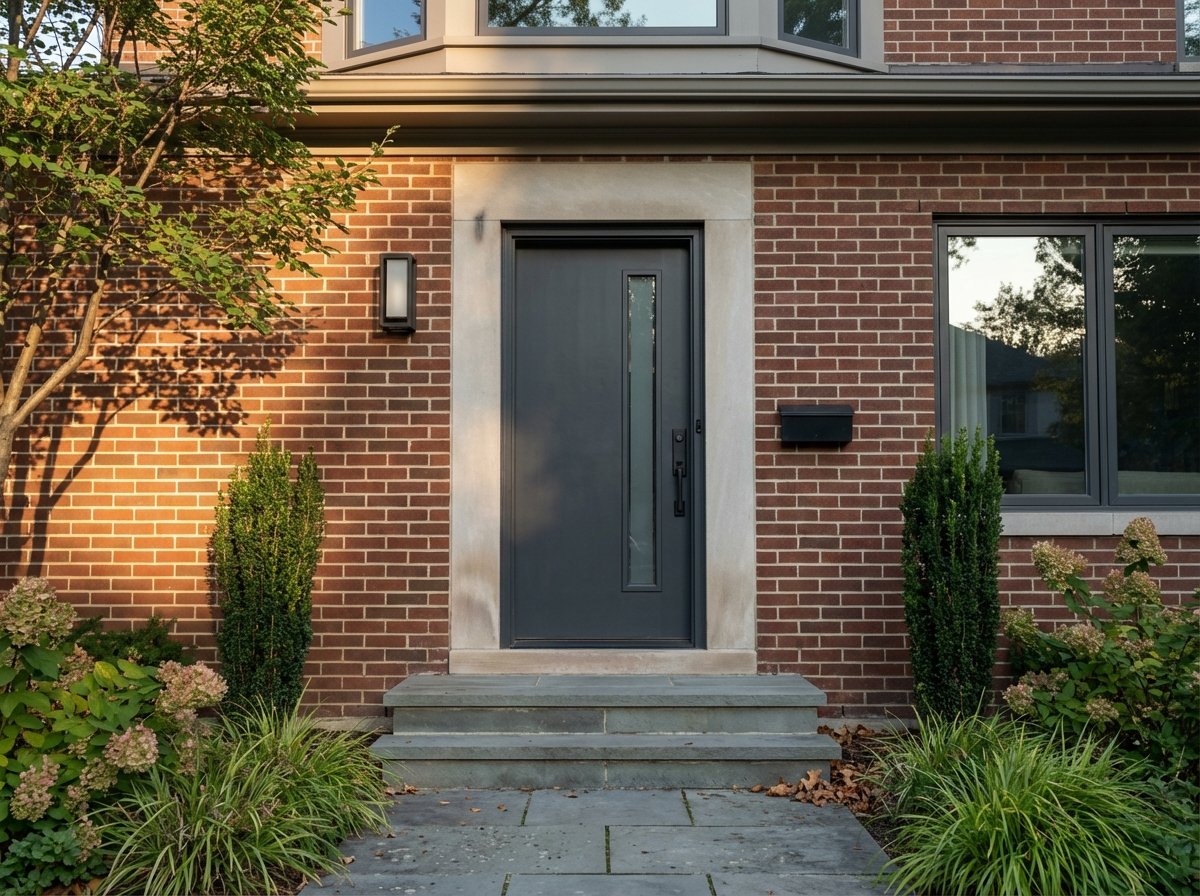
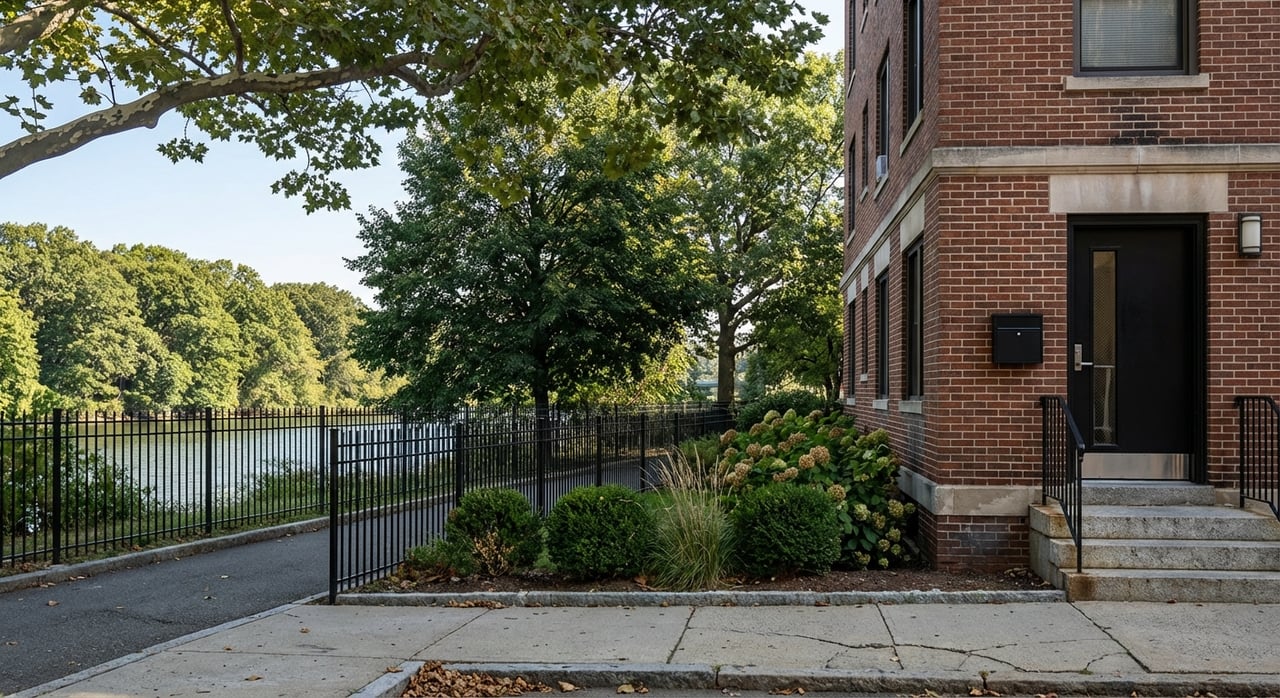
Choosing between a condo, co-op, or house in Pelham Gardens can feel like three different paths to the Bronx lifestyle you want. With a neighborhood median sale price around $675,000, the decision affects your monthly budget, privacy, and long-term flexibility. In this local guide, you’ll learn how each option works in 10469, what typical costs look like, and which questions to ask so you can buy with confidence. Let’s dive in.
What you actually own
Condos in 10469
You own your unit plus a share of the common areas. You receive a deed and pay your own property taxes, along with monthly common charges that cover building operations. This setup gives you more autonomy inside your space and often more flexible subletting compared with co-ops. For legal structure basics, see this quick primer on condo ownership and common elements from an NYC real estate law resource explaining condos versus co-ops.
Local context: You’ll find a cluster of condo inventory near Ely Avenue and the Baychester corridor. Recent 3-bedroom condo resales in this pocket have traded roughly in the $400,000 to $500,000 range, with common charges often in the mid-$300s per month.
Co-ops near Pelham Parkway
In a co-op, you buy shares in a corporation that owns the building and receive a proprietary lease for your apartment. The building pays the property taxes and building expenses, then allocates your portion through a monthly maintenance charge. Boards approve buyers and often set rules on subletting and renovations. Co-ops in and around Pelham Gardens can offer lower purchase prices per unit than condos, but maintenance charges can be higher because they usually include taxes and some utilities.
Single-family houses
You own the land and the structure. You pay property taxes directly and handle all maintenance, from roof to yard. The tradeoff is simple: maximum privacy and control, balanced by higher time and cost for upkeep.
Local price picture
- Median sale price in Pelham Gardens is around $675,000.
- Condos: recent examples near Ely Avenue have sold around $405,000 to $472,000 for 3-bedroom layouts.
- Co-ops: individual apartments can close at materially lower prices per unit than condos, with one recent sale at $140,000.
- Single-family homes: recorded sales across 2024 to 2025 in Pelham Gardens commonly range from the mid-$600,000s into the $900,000s. You can verify closed prices in the NYC Department of Finance Bronx rolling sales records.
How the monthly costs compare in 10469
Your true monthly number depends on five items:
- Mortgage principal and interest
- Property tax
- HOA or co-op maintenance/common charges
- Utilities not covered by the building
- Home insurance and any assessments or parking fees
Below are three real-world style scenarios to show how the pieces fit. These are illustrations using recent public examples and typical local fee patterns, not quotes.
Scenario A: Condo example (Ely Ave area)
- Purchase price: $405,000
- HOA/common charges: $380 per month
- Annual property tax: about $2,800 (paid by the owner)
- Carrying costs before mortgage and insurance: $380 + ($2,800 ÷ 12) ≈ $613 per month
- Sample mortgage payment at 20 percent down: about $1,940 per month for principal and interest at a 6.0 percent 30-year fixed
- Utilities: electricity and internet typically separate
Scenario B: Co-op example
- Purchase price: $140,000
- Monthly maintenance: varies by building. Many nearby co-ops show maintenance in the $700 to $1,100-plus range, often including heat, hot water, gas, water, sewer, and property taxes
- Sample illustration: at $850 maintenance, plus a sample mortgage around $670 per month at 20 percent down and a 6.0 percent 30-year fixed, your total before electric and internet would be about $1,520 per month
- Note: co-op maintenance can include part of the building’s underlying mortgage, which is why a low purchase price can still carry a higher monthly cost
Scenario C: Single-family house example
- Purchase price: $900,000
- Property tax: billed directly to the owner and varies by property. Review the NYC Department of Finance property tax rates page and the home’s specific tax history
- Sample mortgage payment at 20 percent down: about $4,320 per month for principal and interest at a 6.0 percent 30-year fixed
- Other costs: homeowner’s insurance, utilities, and all maintenance (roof, heating, driveway, landscaping)
Sample assumptions for mortgage payments: 20 percent down, 30-year fixed at 6.0 percent. For rate context, see the national average reported the week of March 5, 2026 (Freddie Mac PMMS via GlobeNewswire). Always confirm your own rate and closing costs with a lender.
Financing rules that matter in NYC
- Co-op down payments: Many NYC co-op boards expect about 20 to 25 percent down and will review your debt-to-income ratio, liquidity, and tax returns. Learn more about common board expectations from this co-op finance overview in Habitat Magazine’s archive: Fiscal Fitness.
- FHA and VA for condos: Possible only if the condo project is approved or you obtain a single-unit approval. Check the official HUD condominium resource. Co-ops are not approved in the same way because you buy shares, not real property.
- Rate sensitivity: Mortgage rates move weekly and can change your monthly by hundreds of dollars. Update your scenarios with a current quote when you are ready to write an offer.
Privacy, maintenance, and lifestyle fit
- Single-family house: Most privacy and outdoor space, often with private parking. You handle all maintenance, so budget time and money for repairs and seasonal work.
- Condo: Less exterior upkeep since the association manages common areas. You trade some privacy for convenience and predictability.
- Co-op: Similar building lifestyle to a condo, with more community oversight. Boards can be stricter on renovations and subletting, which many buyers view as stability, while others prefer condo flexibility.
Resale and subletting considerations
- Condos: Often attract a wider buyer pool, including investors and out-of-town buyers, thanks to generally more flexible sublet rules. They can price higher per square foot and sometimes sell faster.
- Co-ops: Narrower buyer pool because of board approval and sublet restrictions, which can slow resale. That oversight may contribute to price stability in some buildings.
- Houses: Resale depends heavily on condition, lot size, parking, and block appeal. Well-kept homes with thoughtful updates tend to draw stronger interest.
Questions to ask at a showing
Which one is right for you?
- Choose a condo if you want predictable building services, lighter maintenance, and more flexible subletting.
- Choose a co-op if you value lower entry prices and a community-forward building, and you are comfortable with board approval and rules.
- Choose a house if you want privacy, outdoor space, and full control over your property and are ready to manage upkeep.
If you’d like a clear, side-by-side for a specific address in 10469, reach out to The Advanced Home Team. We’ll help you compare true monthly costs, board or HOA rules, and the best fit for your lifestyle.
FAQs
What’s the key difference between condo and co-op ownership in NYC?
- Condos give you a deed to your unit and you pay your own taxes, while co-ops sell you shares plus a proprietary lease and your taxes are bundled into monthly maintenance.
Can I use FHA financing for a Pelham Gardens condo or co-op?
- FHA can work for condos only if the project is approved or you get a single-unit approval; co-ops are not approved in the same way because you buy shares rather than real property.
How do co-op maintenance fees affect my monthly budget in 10469?
- Maintenance can look high but often includes taxes and several utilities, so compare it to condo common charges plus separate property taxes to get an apples-to-apples number.
What are recent price ranges for 10469 homes?
- Recent examples show condos around $400,000 to $500,000, some co-ops near $140,000, and single-family homes from the mid-$600,000s into the $900,000s.
How should I compare monthly costs across condos, co-ops, and houses?
- List mortgage, taxes, HOA or maintenance, utilities, insurance, and any assessments, then total them; do not compare condo HOA to co-op maintenance without accounting for taxes.