If getting to Manhattan quickly is a top priority, you are not alone. Many Yonkers buyers and sellers weigh commute time as heavily as price and space. The good news is that several Yonkers neighborhoods give you reliable access to Midtown, with tradeoffs you can plan around. In this guide, you will learn which areas tend to deliver the easiest rides, how Metro-North and local buses fit together, and what parking and ticket choices mean for your budget. Let’s dive in.
Why Yonkers works for commuters
You sit at the gateway between Westchester and New York City. Metro-North’s Hudson Line is the backbone of the commute, with multiple stations serving Yonkers and frequent trains to Grand Central Terminal. As of early 2026, typical rail times from Yonkers-area Hudson Line stations to Midtown often fall in the roughly 20 to 40 minute range, depending on the station and whether you catch an express or local train. By comparison, driving or express buses vary more with traffic and can range widely, often from about 30 to 75 minutes or more at peak.
Beyond rail, you also have Westchester’s Bee-Line buses for local connections, plus quick access to the Cross County Parkway, Saw Mill River Parkway, Bronx River Parkway, and I‑87. If you prefer an active commute, walkability near stations and simple bike access make some neighborhoods especially attractive. Ferry ideas come up from time to time, but service options can change. Always confirm the current status before you plan around water transit.
Transit options at a glance
- Metro-North Hudson Line: Your most dependable link to Grand Central. Express trains and skip-stop patterns affect door-to-door time, so check peak schedules by station.
- Bee-Line buses: Useful for last-mile connections to stations and errands around Yonkers and Westchester. Routes and frequencies can shift, so review current timetables when you plan.
- Driving: Fastest routes depend on parkways and I‑87. Congestion around bridge and interchange approaches can add time, especially at rush hour.
- Bike and walk: Living within a short walk of a station simplifies your commute. Many stations provide bike racks and simple access, but verify on-the-ground conditions near your target block.
Neighborhoods with easy NYC commutes
Below are Yonkers areas and nearby villages that many commuters consider. Each offers its own balance of travel time, walkability, housing type, and parking.
Downtown Yonkers / Getty Square
If you want a lively, walkable setting with a straight shot to the train, Downtown Yonkers is a strong contender. You are close to the main Yonkers Metro‑North station and a mix of shops, dining, and services that make daily life convenient. Many buyers like the option to live car-light here.
Commute profile:
- Nearest rail: Yonkers station on the Hudson Line.
- Typical rail time: Often in the roughly 20 to 40 minute range to Grand Central, depending on the train you catch.
- Station access: Walkable blocks for many buildings, plus municipal garages and bus connections close to the platform. Parking rules and fees vary by facility.
Lifestyle tradeoffs:
- Housing: More apartments and condos, with ongoing waterfront redevelopment bringing new options.
- Walkability: Highest in Yonkers, with errands and dining close by.
- Pricing: Convenience to the station usually commands a premium relative to areas that require a drive.
Yonkers riverfront / waterfront blocks
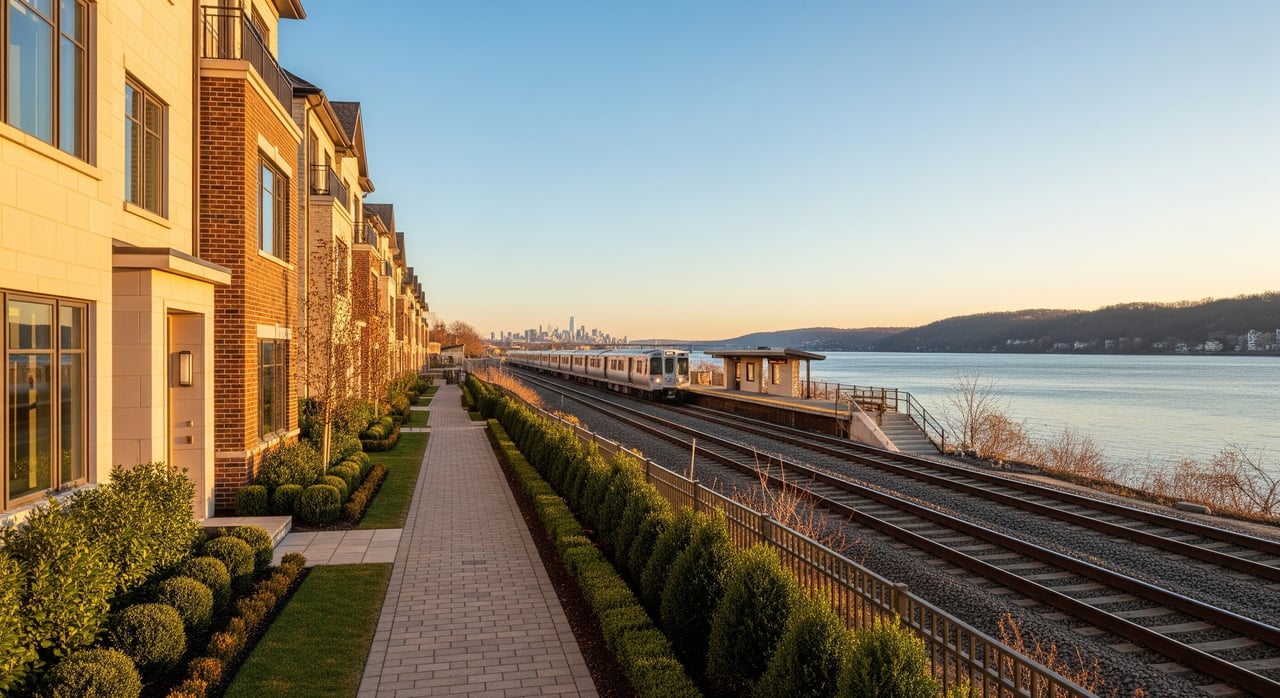
If river views and quick train access are your dream, the waterfront may fit well. Redevelopment has added mixed-use living and improved pedestrian routes toward stations. The exact distance to a platform matters, so test the walk from your preferred building.
Commute profile:
- Nearest rail: Hudson Line stations along the riverfront; your closest stop depends on the address.
- Typical rail time: Often comparable to downtown, in the 20 to 40 minute range to Grand Central.
- Station access: Short walks from many buildings; some residents use nearby garages or street parking for longer trips.
Lifestyle tradeoffs:
- Housing: Condos and rentals are common, with modern amenities.
- Daily life: Dining and paths along the riverfront make evenings easy.
- Budget: Units with direct station and river access can price higher than homes set back from the water.
Greystone
Greystone blends a quieter residential feel with its own Hudson Line station. Many buyers appreciate the suburban vibe and the ability to park and ride.
Commute profile:
- Nearest rail: Greystone station on the Hudson Line.
- Typical rail time: Many trips fall within the roughly 20 to 40 minute window to Grand Central. Express patterns matter, so check which peak trains stop here.
- Station access: Commuter lots typically use permits or daily options. Availability and waitlists can change by lot.
Lifestyle tradeoffs:
- Housing: Mix of single‑family homes and small multifamily buildings.
- Daily life: Quieter blocks; errands may require a short drive.
- Budget: Often more space than downtown, with a tradeoff of less walkable retail.
Glenwood
Glenwood offers similar appeal on the north side of Yonkers with its own station. Many commuters value the option to drive a few minutes, park, and hop on the train without navigating downtown traffic.
Commute profile:
- Nearest rail: Glenwood station on the Hudson Line.
- Typical rail time: Often within the 20 to 40 minute range to Grand Central, depending on the train.
- Station access: Permit and daily parking options may be available. Check current rules and any waitlist.
Lifestyle tradeoffs:
- Housing: Single‑family homes and smaller multifamily properties are common.
- Daily life: Residential feel with local parks and a slower pace.
- Budget: You may find value relative to the waterfront, at the cost of a short drive to the station.
Park Hill
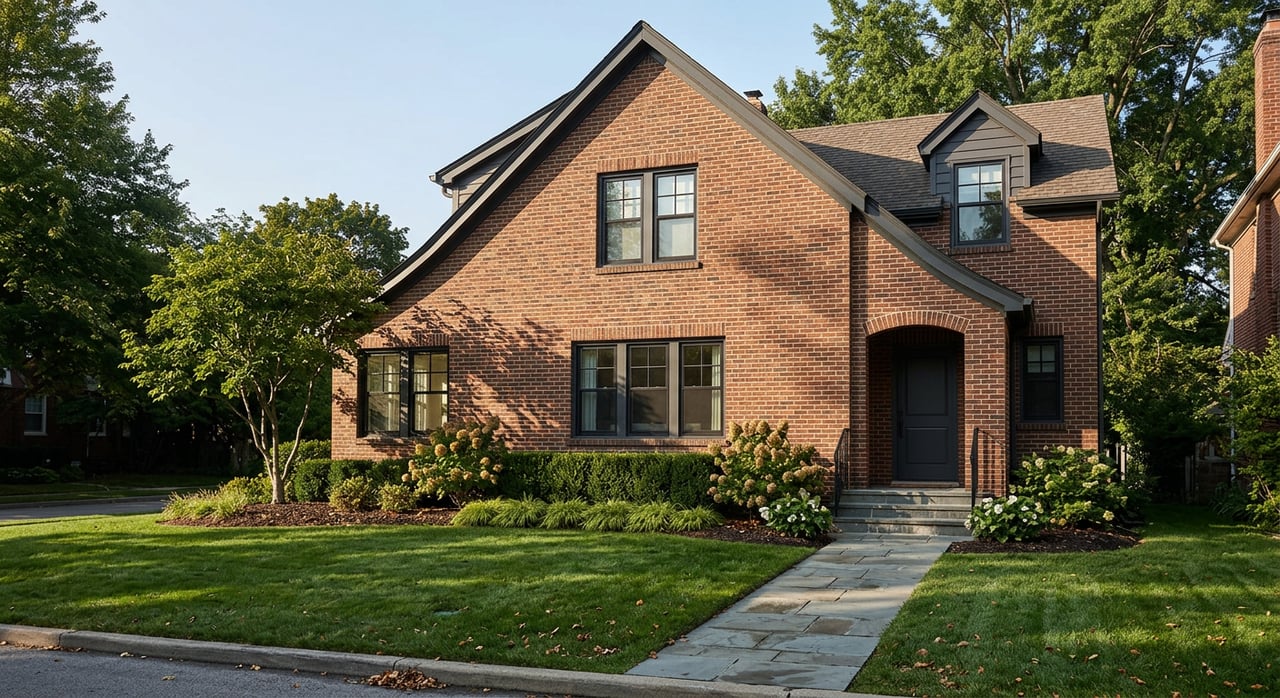
Park Hill gives you classic residential streets and a strong single‑family housing base in south Yonkers. Many residents drive a few minutes to a Hudson Line station or use a local bus to connect to rail.
Commute profile:
- Nearest rail: Typically a short drive to central Yonkers-area Hudson Line stations.
- Typical rail time: Once aboard, plan for rail times that often fall in the 20 to 40 minute range to Grand Central, plus your door-to-station travel.
- Station access: Weigh whether you prefer daily parking, a permit lot, or a bus connection during peak hours.
Lifestyle tradeoffs:
- Housing: Single‑family homes dominate, with leafy blocks.
- Daily life: Quieter streets and more space, but less immediate retail than downtown.
- Budget: Often more house for the money than riverfront addresses, with a commute that includes a short drive or bus ride.
Nearby villages to compare
If your top priority is the fastest rail time rather than Yonkers municipal boundaries, buyers often consider neighboring stations on the Harlem Line and nearby areas.
- Bronxville, Tuckahoe, Crestwood, and parts of Mount Vernon: These villages and neighborhoods offer close Metro‑North service on the Harlem Line, with their own station parking rules and housing markets. Travel times and parking availability can differ from Hudson Line options. Compare monthly pass pricing and station access from your exact address before you decide.
Parking, tickets, and bike tips
The commute experience improves when you line up the logistics early. A few planning points go a long way.
- Parking: Many station lots use permits, daily meters, or a mix. Some have waitlists, especially near smaller stations. If you plan to drive to a station, apply for permits early and confirm rules for overnight or weekend parking.
- Fares and passes: Metro-North fares vary by zone, with peak and off‑peak pricing. Monthly passes are designed for frequent riders and can offer savings if you commute most weekdays. Check current fare tables and factor in any pre-tax transit benefits from your employer.
- Express vs local: Door-to-door time depends on whether your station gets frequent express stops during the morning peak. Confirm which trains stop at your station and model a few scenarios.
- Bikes and walkability: If you plan to bike to a station, verify rack availability and current train bike rules. When possible, test the route at the time you would normally ride.
Buying vs. renting near stations
Your housing type and location affect both your budget and your commute routine.
- Close-in, walkable homes: Condos and apartments near downtown and the riverfront offer the easiest walk to trains. Expect higher prices or maintenance fees in exchange for convenience.
- Single‑family areas a short drive away: Neighborhoods like Park Hill, Greystone, and Glenwood often offer more space and a calmer feel. Factor in parking costs and a realistic door-to-station time when comparing to walkable options.
- Parking inclusion: Renters should confirm whether a space is included with the lease and whether guest parking is available. Buyers in multifamily buildings should review HOA rules for parking, storage, and bike rooms.
How to test your commute before you buy
A little fieldwork will help you compare neighborhoods with confidence.
- Ride your exact train options. On a weekday morning, try the train you would normally take. Track the wait, ride time, and transfer to your office.
- Time the door-to-station leg. If you plan to drive, test the route and the parking routine. If you plan to walk, test the walk with a bag during typical rush.
- Compare two lines if relevant. If both Hudson and Harlem Line stations are reasonable from your home search area, ride both and see which pattern serves your schedule best.
- Price out your monthly costs. Add up potential parking, fares, and any rideshare or bus legs. Compare that to driving and parking in Manhattan.
- Check service at your hour. Look at on-peak and off-peak options for your actual schedule, including later trains for occasional evenings.
Putting it all together
If you want the purest convenience, downtown and riverfront addresses place you steps from trains and daily needs. If you value space and a quieter block, Greystone, Glenwood, or Park Hill can be attractive, with a short drive or bus to the station. As of early 2026, rail typically wins for reliability and time compared with driving, especially during peak hours, but your exact door-to-door picture depends on the station and train you choose.
When you are ready to compare neighborhoods, tour options, and plan a smooth sale or purchase, reach out to The Advanced Home Team. Our local guidance and Compass-backed tools help you balance commute time, budget, and lifestyle so you land in the right Yonkers home with confidence.
FAQs
What are the fastest Yonkers areas to Grand Central?
- Downtown Yonkers and riverfront addresses near Hudson Line stations tend to deliver the quickest door-to-door trips, with many trains in the roughly 20 to 40 minute range once aboard.
How long does driving from Yonkers to Manhattan take at rush hour?
- It varies widely with traffic and route, often about 30 to 75 minutes or more during peak times, depending on your destination and when you leave.
Which Yonkers stations have parking, and do I need a permit?
- Many stations offer a mix of permit and daily parking. Availability, fees, and any waitlists change by lot, so confirm current rules before you rely on a space.
Are there express Metro-North trains that stop in Yonkers?
- Yes, some peak-period express or skip-stop trains serve Yonkers-area stations. Check the latest weekday morning schedule for your station to see which trains stop there.
What should I budget for Metro-North fares from Yonkers?
- Fares depend on your zone and whether you ride at peak or off-peak times. Monthly passes are designed for frequent riders and can offer savings; verify current fare tables before you decide.
Does Bee-Line connect neighborhoods like Park Hill to the train?
- Yes, Bee-Line provides local connections within Yonkers and to nearby stations. Routes and frequency change over time, so review the current schedule for your specific address.
Is there a commuter ferry from Yonkers to Manhattan?
- Ferry options along the Hudson can change. Before you plan around water transit, check the current status and schedules.