Pelham Gardens Market Basics For First-Time Buyers
December 4, 2025
December 4, 2025
Buying your first home in Pelham Gardens can feel exciting and a little overwhelming. You want more space and value without giving up access to transit, parks, and everyday amenities. You also want clear steps, real costs, and a smart plan that fits the East Bronx market. In this guide, you’ll learn how the local market works, how to compare property types, what to budget, and where to find reliable data to make a confident decision. Let’s dive in.
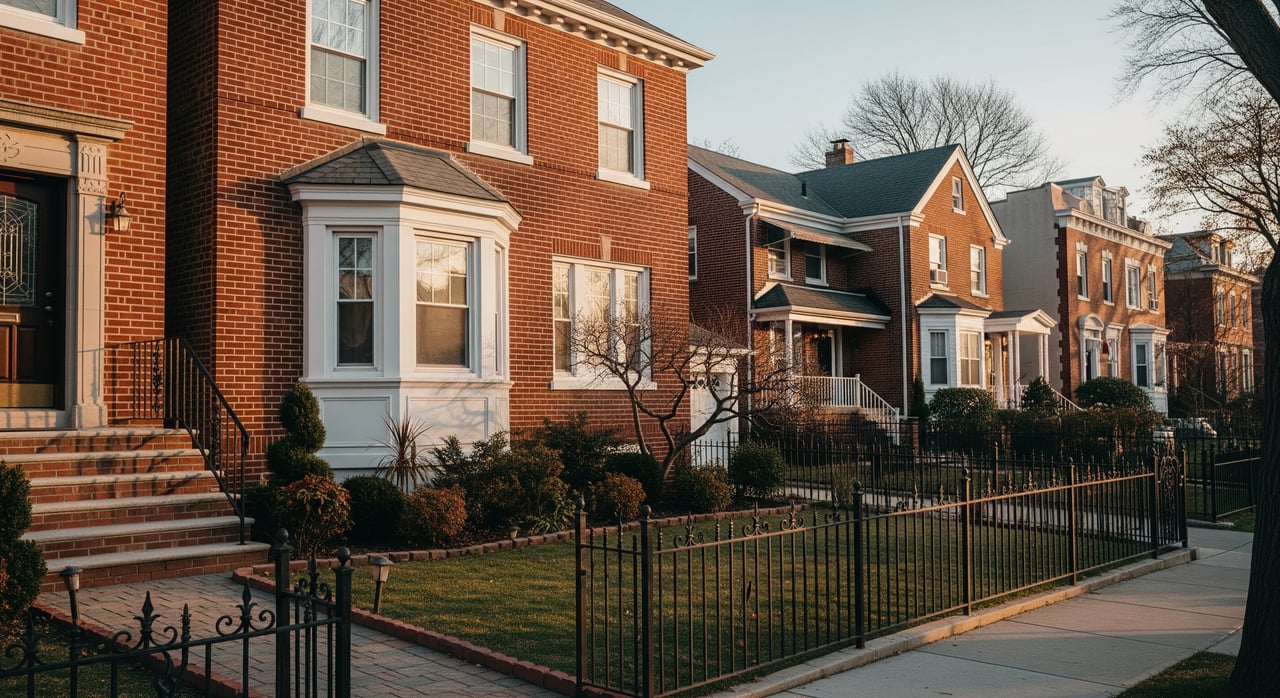
Pelham Gardens is a primarily residential pocket of the East Bronx with a quieter, more suburban feel than central Bronx neighborhoods. You’ll see one- and two-family houses, small multifamily buildings, and some co-ops and condos, many built in the mid-20th century. For first-time buyers, it often offers more space for the money compared to Manhattan or Brooklyn.
You’ll also find features that can be rare in denser parts of the city, like yard space and off-street parking. The trade-offs are real: some commutes to Manhattan are longer and certain blocks sit farther from high-frequency subway service. Property conditions vary too; older homes can need updates or larger repairs, which is why thorough inspections matter.
In Pelham Gardens, value is shaped by a few key factors: lot size, whether a home is single- or two-family, proximity to transit, building condition and renovations, availability of off-street parking, and zoning that can limit or allow certain changes. Co-ops, condos, and small multifamily buildings are part of the mix, and each comes with different costs and approval processes.
If you’re comparing options, start with your lifestyle and budget. A two-family can offer potential rental income, but it adds landlord responsibilities. A co-op may have a lower price per unit than a condo, but it can require a higher down payment and a detailed board approval. A single-family home gives control over maintenance and upgrades but comes with all the upkeep.
Neighborhoods with mostly one- and two-family houses tend to have lower turnover than areas dominated by condos and large rentals. That often means tighter inventory and steadier pricing. Expect more new listings in spring, with a secondary bump in early fall. If you can be flexible on timing, you may see more choices during these windows.
Neighborhood-level data can swing month to month, so use rolling 12-month figures for a clearer picture. Compare Pelham Gardens to nearby areas like Pelham Bay, Morris Park, Baychester, and Co-op City to understand relative affordability and inventory. For recorded sales data and trends, explore the NYC Department of Finance’s resources on recorded real property sales.
When you buy a co-op, you purchase shares in a corporation rather than real property. Buildings typically require detailed financial disclosures, reference letters, and a board interview. Many co-ops expect 20 percent or more down, and some require 25 to 30 percent. Lenders underwrite both you and the building’s financials, and board timelines can extend the process.
Monthly costs for co-ops are called maintenance and can include property taxes for shareholders. Review building financial statements, reserve levels, house rules, and any special assessments. If you plan to move within a shorter timeframe, ask about any flip tax that could affect your resale.
With a condo, you take title to a specific unit and a share of common elements. Financing options are often broader and may allow lower down payments than co-ops, depending on your lender and the building’s eligibility. Board approvals are typically more straightforward, which can shorten closing timelines.
Monthly costs are common charges. You’ll still review the building’s financial health and any upcoming capital projects. If long-term flexibility matters to you, condos often have fewer restrictions on subletting compared to many co-ops, though rules vary by building.
For single- and two-family homes, conventional mortgage underwriting applies. You’ll budget for property taxes, homeowner’s insurance, utilities, and maintenance. Two-family homes can provide rental income if permitted, but factor in landlord responsibilities, vacancy risk, and compliance with local regulations. In older properties, plan for potential capital projects like roof, boiler, masonry, or electrical work.
Conventional mortgages can start at 3 to 5 percent down for qualified buyers through certain programs, though many co-ops and some lenders expect higher down payments. FHA loans offer a commonly cited 3.5 percent down option and more flexible credit guidelines, but they include mortgage insurance and have property condition requirements. VA loans are a strong option with zero down for eligible veterans.
Explore state and city programs designed for first-time buyers. The State of New York Mortgage Agency outlines programs that can reduce rates or assist with down payments. Review current offerings on the SONYMA site. Some city agencies occasionally offer assistance as well; check NYC HPD’s homeownership opportunities to see what is available now. For federal loan program details, you can review HUD’s FHA resources and discuss specifics with your lender.
In New York City, buyers typically budget around 2 to 5 percent of the purchase price for closing costs, excluding the down payment. These can include lender fees, title and attorney fees, recording fees, and the mortgage recording tax when applicable. New York State and NYC transfer taxes may apply, and for higher-priced purchases, state mansion tax rules could be triggered.
Co-op buyers will also plan for ongoing maintenance and possible assessments. Always verify this year’s tax rates and thresholds, since rules change over time. Work with a lender and an attorney experienced in NYC transactions to estimate your total cash-to-close.
A comprehensive inspection is essential. For one- and two-family houses, pay attention to roofing, HVAC, foundation, plumbing, electrical, and any signs of water intrusion. In co-ops and condos, your attorney should review building financial statements, reserves, and any pending capital projects or assessments.
Your attorney will also order a title search, and you should receive any required disclosures for older housing stock, such as lead-based paint. If the home needs repairs, build estimates into your budget and discuss timelines with your agent and inspector.
Pelham Gardens sits in the East Bronx near bus routes and links to subways and commuter options a short distance away, depending on the block. Commute times to Manhattan vary by route and time of day. Use the MTA Trip Planner to test your exact commute during peak hours. If you drive, consider access to major highways and parkways along with potential noise.
Zoning for public schools is set by the NYC Department of Education. To understand your potential assignment and to review school reports, use the NYC DOE School Search. Always confirm school options directly with the DOE, especially if a specific program or grade level is important to you.
Many buyers value nearby parks, playgrounds, and green space in the East Bronx. Local commercial corridors offer groceries, restaurants, and services. When touring, take a few minutes to map supermarkets, pharmacies, and day-to-day retail you’ll use most.
Safety trends vary by precinct and block. To see official stats and trends, review NYPD CompStat precinct data. For flood risk and potential insurance needs, check your address on the FEMA Flood Map Service Center and the NYC Flood Hazard Mapper. Your lender and insurance provider can advise how any flood-zone designation affects coverage and costs.
Imagine you’re targeting a two-bedroom co-op for value or a modest single-family house with a small yard. You start with a lender who knows local co-op rules and provides a pre-approval. You preview listings that match your budget and confirm commute times using the MTA Trip Planner. For a co-op, you assemble financials and references early to streamline the board package. For a house, you bring an inspector and price out any urgent repairs to avoid surprises.
When you’re ready to offer, you lean on your agent and attorney to structure terms, negotiate inspection items, and map the closing timeline. If you are using a program like SONYMA, you confirm documentation upfront. You review title, insurance, and final closing costs, then schedule a final walk-through before signing.
If Pelham Gardens is on your list for its residential feel and value, a plan like this helps you move from browsing to owning with confidence. Ready for local guidance tailored to your timeline and budget? Reach out to The Advanced Home Team for a clear, step-by-step path to your first Bronx home.
Stay up to date on the latest real estate trends.







We bring together a mix of integrity, imagination and an inexhaustible work ethic, striving to make each buying and selling experience the best possible. Contact us today to find out how we can be of assistance to you!