Thinking about buying a sponsor unit in Jerome Park but unsure how it stacks up against a resale? You are not alone. Sponsor sales can look attractive, especially if you want move-in-ready finishes or faster timelines, but they come with unique risks tied to the building’s offering plan and the sponsor’s control. In this guide, you will learn the pros and cons, what to check in 10468, and how to protect yourself with a clear step-by-step plan. Let’s dive in.
What is a sponsor unit?
A sponsor unit is a co-op or condo apartment still owned by the sponsor or developer from the original offering plan. You buy directly from the sponsor instead of a private owner, and your deal is governed by the offering plan, proprietary lease for co-ops, or condo declaration. The sponsor may retain certain rights and control until they sell enough units, which can shape building decisions and your experience as an owner.
For an overview of sponsor roles and required disclosures, review the New York State Attorney General’s guidance through the Real Estate Finance Bureau. You can find purchaser protections and plan requirements on the Attorney General’s Real Estate Finance Bureau site.
Pros of buying a sponsor unit
- Potential savings and incentives. Sponsors sometimes offer promotional pricing, closing-cost credits, or lender incentives to move inventory quickly.
- More selection at once. In larger buildings or new conversions, you may have multiple layouts and floors to choose from at the same time.
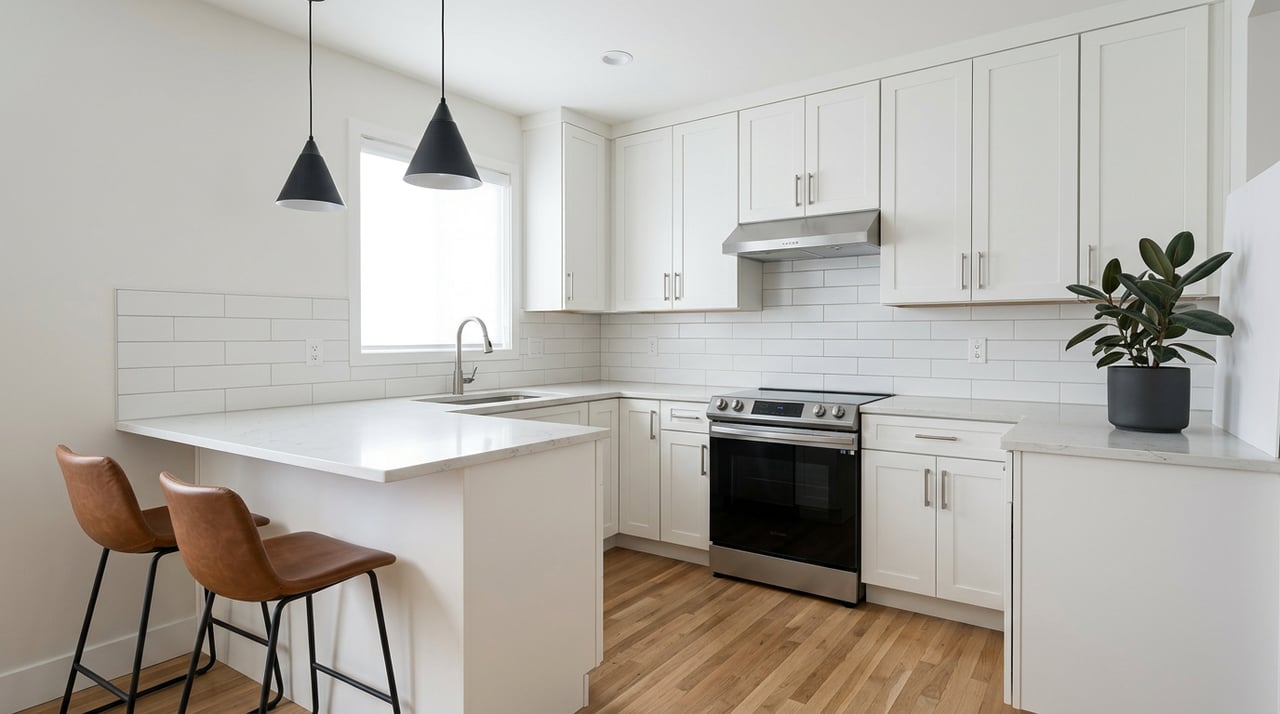
- Newer finishes. Many sponsor units in conversions are recently renovated with updated kitchens, baths, and systems as described in the offering plan.
- Streamlined process. Sponsors are experienced sellers, so contract paperwork and closing logistics can be efficient.
- Possible lender relationships. Some sponsors coordinate with preferred lenders, which can help qualified buyers close on schedule.
Cons and risks to weigh
- Governance control. If the sponsor still owns many units, they may control board decisions and priorities until a sale threshold is met.
- Building financial health. Thin reserves, unsold inventory, or a large underlying mortgage can lead to higher maintenance or special assessments.
- Limited protections. Warranties and punch-list obligations depend on the offering plan. Some sponsor rights or amenity timelines may be narrow.
- Resale uncertainty. Sponsor discounts or concessions can affect comparable sales, which can complicate future pricing when you sell.
- Financing hurdles. Some lenders apply stricter rules in buildings with heavy sponsor ownership, especially in co-ops.
- Completion or quality issues. In new conversions, finishes or amenities could be delayed, and you may need to push for punch-list work per the contract.
- Co-op process still applies. Most co-op sponsor sales still involve board review and the proprietary lease rules.
Due diligence for 10468 buyers
When you focus on Jerome Park, your goal is to verify the building’s story on paper and in city records. Start with the full offering plan and its amendments, then confirm what is happening today.
Documents to request and review
- Offering plan and all amendments, including sponsor control rights and unsold-unit provisions.
- Contract of sale and disclosures, including any concessions, warranties, and delivery timelines.
- Building financials: recent operating statements, budgets, and reserve details.
- Board minutes for the last 12–24 months, looking for assessments, major repairs, or litigation.
- Management agreement and vendor invoices to understand operating costs.
- Rent roll or occupancy schedule if any units remain rented.
- Underlying mortgage details and maturity dates.
- Proprietary lease for co-ops or condo declaration and bylaws, including subletting and flip-tax rules.
- Architect or engineer reports if available, especially for conversions.
City and public records to check
- NYC Department of Buildings records for permits, violations, and certificate of occupancy status. Use the DOB site to review building history and open items.
- NYC ACRIS for recorded documents, mortgages, and offering-plan filings.
- NYC Department of Housing Preservation and Development for building registration and housing complaints.
Use these sources:
- New York State Attorney General Real Estate Finance Bureau for offering-plan guidance and purchaser protections.
- NYC Department of Buildings for permits and violations.
- NYC ACRIS for property and mortgage records.
- NYC HPD for registration and complaint history.
Key questions for the sponsor or listing agent
- How many units are still sponsor-owned, and what percentage is that of the building?
- What repairs or construction obligations remain and what is the timeline?
- Are there tax abatements or incentives that will phase out and raise costs later?
- What is the status of the underlying mortgage and any lender restrictions on the building?
- Are assessments planned, and how do you expect maintenance to trend in the next 1–2 years?
- What are the policies for subletting, short-term rentals, and investor ownership?
Red flags in sponsor buildings
- High share of unsold sponsor inventory relative to total units.
- Low reserves or repeated mentions of deferred maintenance in board minutes.
- Mismatch between offering-plan projections and current financials.
- Open DOB or HPD violations that are not being resolved.
- Active litigation involving the sponsor or building.
Financing, insurance, and resale planning
Financing can be more restrictive in sponsor-heavy buildings. Some lenders tighten loan-to-value limits or ask for extra building documentation. Get a pre-approval that confirms your lender is comfortable with the building’s sponsor status, especially if you are buying in a co-op.
Check building insurance and your own policy needs. For condos, an HO-6 policy can cover interior items not included in the building’s master policy. For co-ops, review the proprietary lease for coverage requirements. If the unit is part of a new conversion, any construction warranties must be spelled out in your contract or offering materials.
Think ahead to resale. If sponsors sold several units with concessions, those sales may affect comps and your future pricing. On the other hand, a well-run building with transparent governance can support steady demand. Ask for a list of recent sponsor sales and resales in the building to understand pricing patterns.
A simple plan to buy well
Hire the right attorney. Choose a New York co-op and condo attorney with sponsor-sale experience to review the offering plan, contract, and building financials.
Verify the building’s health. Review budgets, reserves, and any assessments. Compare offering-plan projections to actuals.
Confirm lender comfort. Get a pre-approval that names the building and addresses sponsor ownership concentration.
Inspect the unit. Even if newly renovated, request a punch-list process in writing and confirm warranty coverage and timelines.
Check city records. Look up DOB permits and violations, ACRIS filings, and HPD complaints to make sure the paper trail matches what you are told.
Compare comps. Pull recent sponsor sales and resales in 10468 and nearby areas to understand price and concession trends before you bid.
Local notes for Jerome Park buyers
Sponsor-unit mechanics are the same across New York, but your pricing and selection depend on current 10468 inventory. Before you make an offer, compare sponsor listings and resales in Jerome Park and nearby neighborhoods using current market dashboards. Look for patterns in days on market, concessions, and any building-level assessments called out in listing remarks.
If you are a first-time buyer or value-minded investor, weigh the trade-off between fresh finishes and governance risk. If you are downsizing, focus on stability: reserves, upcoming projects, and how soon sponsor control is expected to sunset.
Ready to explore sponsor units in Jerome Park with guidance tailored to your goals? Connect with The Advanced Home Team for local insight, careful due diligence, and a calm, step-by-step plan from offer to closing.
The Advanced Home Team can help you compare sponsor offerings and resales, coordinate attorney and lender introductions, and evaluate building health so you can buy with confidence.
FAQs
What is a sponsor unit in a Bronx co-op or condo?
- It is a unit still owned by the original sponsor or developer from the offering plan, sold under plan terms rather than a private resale.
Are sponsor units in 10468 cheaper than resales?
- Sometimes, but not always. Sponsors may offer promotions or concessions, so compare recent closed comps and confirm any incentives in writing.
Will I need a co-op board interview for a sponsor sale?
- In most co-op sponsor sales, board approval and the proprietary lease still apply. Confirm the building’s process with your attorney and the sponsor’s agent.
Can a sponsor keep control of the board?
- Yes, often until a set percentage of units are sold. Check the offering plan for the sponsor’s reserved rights and control timeline.
Are loans harder to get in sponsor-heavy buildings?
- Some lenders use stricter underwriting when many units remain with the sponsor. Get a pre-approval that addresses the building’s sponsor status.
How do I protect myself when buying a sponsor unit?
- Hire an experienced co-op and condo attorney, review the offering plan and financials, confirm lender acceptance, inspect the unit, and verify DOB, ACRIS, and HPD records on the building.