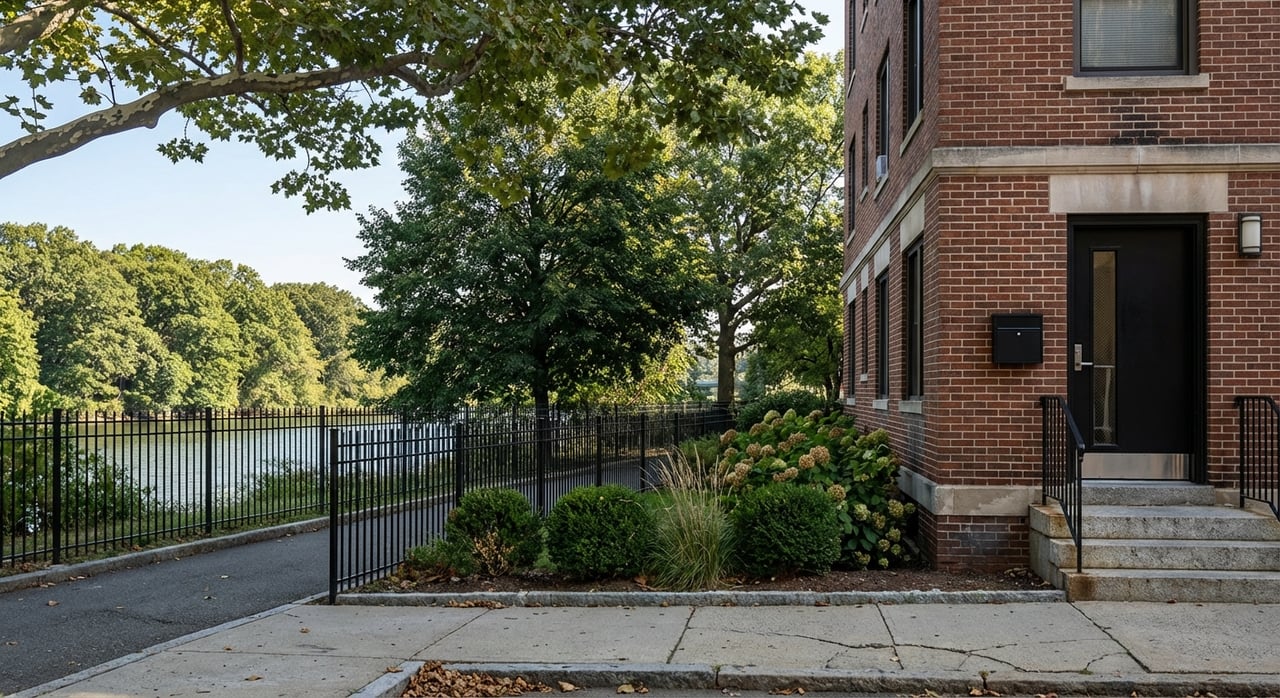
What It's Like To Live Near Jerome Park Reservoir
February 19, 2026
February 19, 2026
You step onto a quiet, tree-lined loop and hear water lapping on stone while runners and dog walkers pass by. If you want daily green space without giving up an easy Manhattan commute, living near Jerome Park Reservoir in 10468 might fit your rhythm. In this guide, you’ll learn what daily life looks like, how you’ll get around, the homes you’ll find, and where locals go for parks, coffee, and errands. Let’s dive in.
Jerome Park Reservoir is an active part of New York City’s Croton water system. It spans about 94 acres and can hold more than 770 million gallons. The NYC Department of Environmental Protection completed a $15.7 million security and rehabilitation project here in 2022, underscoring its importance as drinking-water infrastructure. You can read about the recent work in the DEP’s update on the reservoir’s upgrades and role in the system on the NYC DEP site.
While the water itself is protected, the perimeter path is open for everyday use. Neighbors walk, run, and push strollers around a loop that is commonly described as about 2.0 to 2.1 miles. Occasional tours and access events have also been hosted by the DEP and community partners.
Mornings start with joggers and dog walkers circling the fence line. By midday, you’ll notice a steady flow of students and staff from nearby campuses grabbing coffee, chatting on benches, and filling local lunch spots. The loop is a popular way to reset between meetings or classes.
The east side of the reservoir lines up with a cluster of schools and Lehman College, often called the neighborhood’s Education Mile. That daytime academic pulse shapes the streets, sidewalks, and nearby cafes. For a quick primer on the institutions in this pocket, see Bronx Community Board 7’s Jerome Park page.
Beyond the reservoir loop, you are close to some of the Bronx’s best outdoor space. Van Cortlandt Park offers miles of woodland trails, sports fields, and even a golf course, making weekend recreation feel limitless. Get a sense of the scale and amenities from NYC Parks’ Van Cortlandt Park overview.
Families appreciate the small parks and playgrounds sprinkled around the reservoir. Fort Independence Playground is a local staple, and NYC Parks tracks its improvement plans so you can see what is in progress or scheduled. Check updates on the Fort Independence capital project page.
Commuting is straightforward. The Bedford Park Blvd–Lehman College stop for the B and D lines and the Kingsbridge Road station for the 4 line put many addresses within reach of Midtown in roughly 30 to 40 minutes, depending on your start point and transfers. The Metro-North Botanical Garden station is also nearby for trips to and from Grand Central on the Harlem Line. For station maps and route options, you can start with this transit guide to Lehman College, then check live schedules on the MTA before you head out.
Two common door-to-door examples help picture it:
Your exact time will vary by block and time of day, so always check current service.
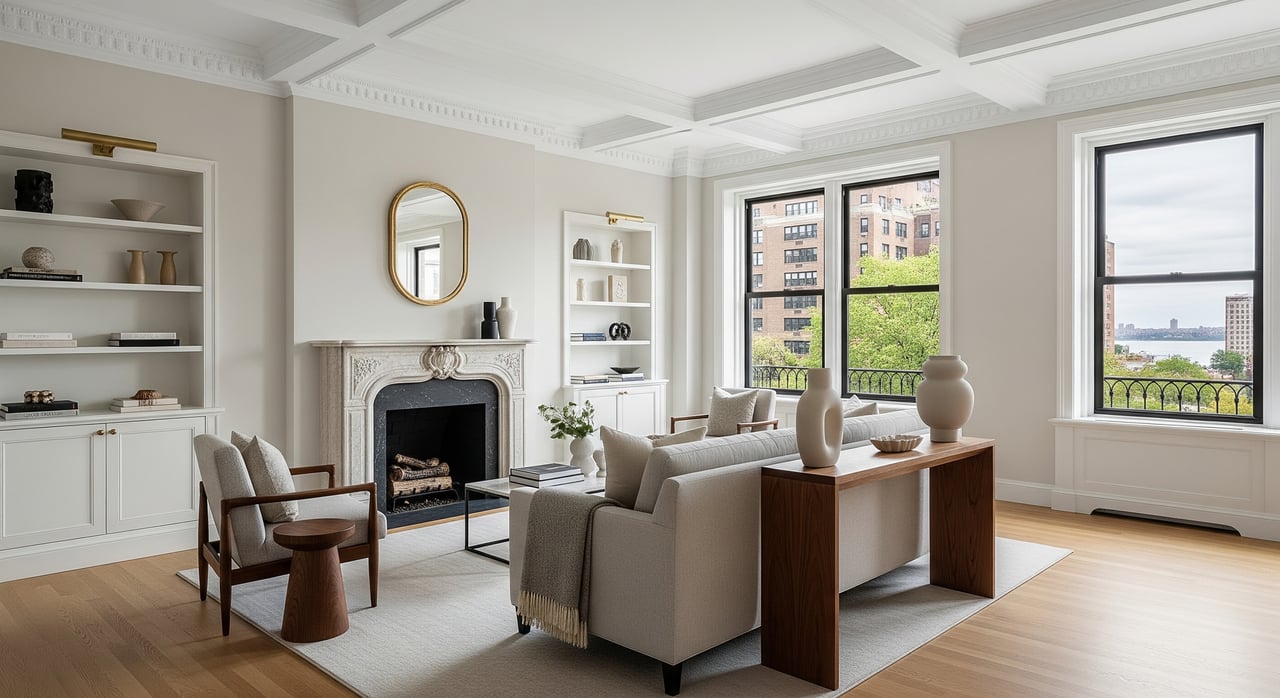
The housing stock here leans classic Bronx with a quieter feel. You will find low- and mid-rise prewar co-op buildings, a mix of walk-ups and elevator buildings, and pockets of single-family homes like Victorian and Tudor styles on tree-lined streets. There are also a few larger Mitchell-Lama towers, such as the locally recognizable Tracey Towers, that add higher-density options near the rail yard.
Co-ops are common, so you should plan for maintenance fees, board applications, and approval processes. Some buildings include income or resale rules, especially in Mitchell-Lama properties. Because each building runs a bit differently, it helps to review house rules, financials, and recent board minutes early in your search.
Market writeups have historically described the area as more value-friendly than many Manhattan neighborhoods. Many co-ops have traded in the low to mid hundreds of thousands, while single-family homes and renovated properties rise above that. Rentals vary, with one-bedrooms often cited in the mid-$1,000s in past guides. Treat these as ballpark figures and confirm current pricing with live listings when you are ready to move.
Daily life revolves around Broadway and Jerome Avenue, where you will find delis, pizzerias, bakeries, and small grocery stores. For bigger shopping trips, Fordham Road and nearby retail centers offer more options. For a simple overview of how locals use these corridors, the Bedford Park neighborhood guide on Homes.com gives helpful context on dining and errands in its neighborhood overview.
Students and remote workers mix at small, study-friendly cafes near Lehman College. Hours and favorites change, so check a local directory before you go.
Volunteer groups organize cleanups, plantings, and events that keep the area cared for and connected. If you like to pitch in, you will find neighbors who do the same. To see what is happening now, browse updates and event notes from Jerome Park Friends & Neighbors.
You might feel at home near Jerome Park Reservoir if you:
If you are weighing a move near the reservoir or in nearby Riverdale and North Riverdale, you deserve clear guidance on co-op processes, building nuances, and current pricing. Our team blends neighborhood-first advice with Compass tools like Concierge to prepare and market your home with care. When you are ready to explore, connect with The Advanced Home Team for local insight tailored to your goals.
Stay up to date on the latest real estate trends.


We bring together a mix of integrity, imagination and an inexhaustible work ethic, striving to make each buying and selling experience the best possible. Contact us today to find out how we can be of assistance to you!